I had a seller last spring — sweet couple over in Broad Ripple, downsizing after their kids finally moved out — and about two weeks before closing, the wife called me almost in tears. Not because anything went wrong. Because she'd just seen the settlement statement estimate and the number staring back at her was about $9,000 less than what she'd been telling her sister she'd "walk away with."
She wasn't dumb. She wasn't careless. She just did what almost everyone does: she took her sale price, subtracted her mortgage payoff, and figured the rest was hers. Nobody had walked her through the middle part.
So let's walk through the middle part.
The number people actually think they're getting
Here's the math almost every seller does in their head: sale price minus what I still owe the bank equals my check. Clean, simple, wrong. Not wrong because they're bad at math — wrong because there's a whole list of costs that live in between those two numbers, and most of them don't show up until the closing disclosure lands in your inbox a few days before you sign.
I've sat at enough closing tables in this city to know exactly which fees catch people off guard. Let's go through them one at a time, the way I'd explain it to you if we were sitting at your kitchen table instead of on my laptop.
Real estate commission — the big one, and the one you already know about
This is usually the largest chunk, typically somewhere in the 5–6% range total, split between the listing side and the buyer's side. If you're selling a $300,000 home, that's $15,000–$18,000 right there. Most sellers know this one's coming. It's the rest of the list that ambushes them.
Closing costs that aren't the buyer's problem (even though you thought they were)
Here in Indiana, sellers typically cover the owner's title insurance policy, which protects the buyer against any weird ownership disputes that might crop up later — old liens, forgotten heirs, clerical errors from forty years ago. That policy usually runs somewhere between a few hundred and a couple thousand dollars depending on your sale price. You'll also often see title company or closing/escrow fees, and depending on how your contract's negotiated, you might be picking up a chunk of the buyer's closing costs too, especially if the market's leaning toward buyers or you needed to sweeten the deal to get an offer.
Property taxes — the one that trips up almost everyone
Indiana pays property taxes in arrears, which is a fancy way of saying you're paying for time you've already lived in the house, not time you're about to live in it. So at closing, you'll owe a prorated amount covering the days you owned the home during the current tax cycle, even if your actual tax bill wasn't due yet. I've had sellers genuinely confused about this — "but I don't owe taxes until May" — and yes, technically true, but you still owe your slice of it at the closing table because the buyer shouldn't have to pay taxes for months when you were the one living there.
HOA fees, if you've got them
If your neighborhood has an HOA, plan on a few things: any prorated dues, sometimes a transfer fee, and occasionally a resale certificate or disclosure packet fee that the HOA charges just to hand over paperwork confirming you're not behind on dues or in violation of anything. These fees vary wildly by neighborhood — some are $50, some are a few hundred — but they're almost never zero.
Repairs from the inspection you didn't see coming
This is the one that got my Broad Ripple couple. Their buyer's inspector found a slow leak under the kitchen sink, some minor electrical stuff in the garage, and asked for a few hundred dollars in general "wear and tear" credits on top. None of it was dramatic. All of it added up. I remember standing in that kitchen with the seller, both of us basically sweating through our shirts because the AC was off for the inspection, going through the report line by line while her Uber to the airport was literally honking outside — she had a flight to catch and a decision to make in about four minutes. We ended up agreeing to a credit instead of doing the repairs ourselves, which saved time but still came straight out of proceeds.
Point being: budget for something here. Even well-maintained homes turn up a few thousand dollars in inspection asks more often than not.
Moving costs, storage, and the stuff nobody puts on a spreadsheet
Movers, a storage unit if there's a gap between closing and your next place, cleaning crews, sometimes staging costs if your agent recommends it. None of this shows up on the closing disclosure because it's not a closing cost — it's a life cost. But it's real money leaving your account in the same 60-day window, and if you haven't planned for it, it feels like it's coming out of the same pot as everything else.
So what do you actually walk away with?
For a typical Indianapolis home in the $250,000–$350,000 range, once you add up commission, title fees, prorated taxes, any negotiated buyer concessions, and a reasonable inspection credit, sellers are often looking at total costs somewhere between 7–10% of the sale price, sometimes more if the inspection turns up surprises or the market calls for concessions to get a deal done. That's not a scare number. It's just the honest one.
Here's the thing I told that couple in Broad Ripple, standing in their kitchen with the AC off: none of these fees are secret, and none of them are a scam. They're just spread across a bunch of different lines instead of one big obvious number, so it's easy to only budget for the part you can see. The fix isn't complicated — you just need someone to run your actual numbers before you list, not after you're already three weeks into a contract wondering where $9,000 went.
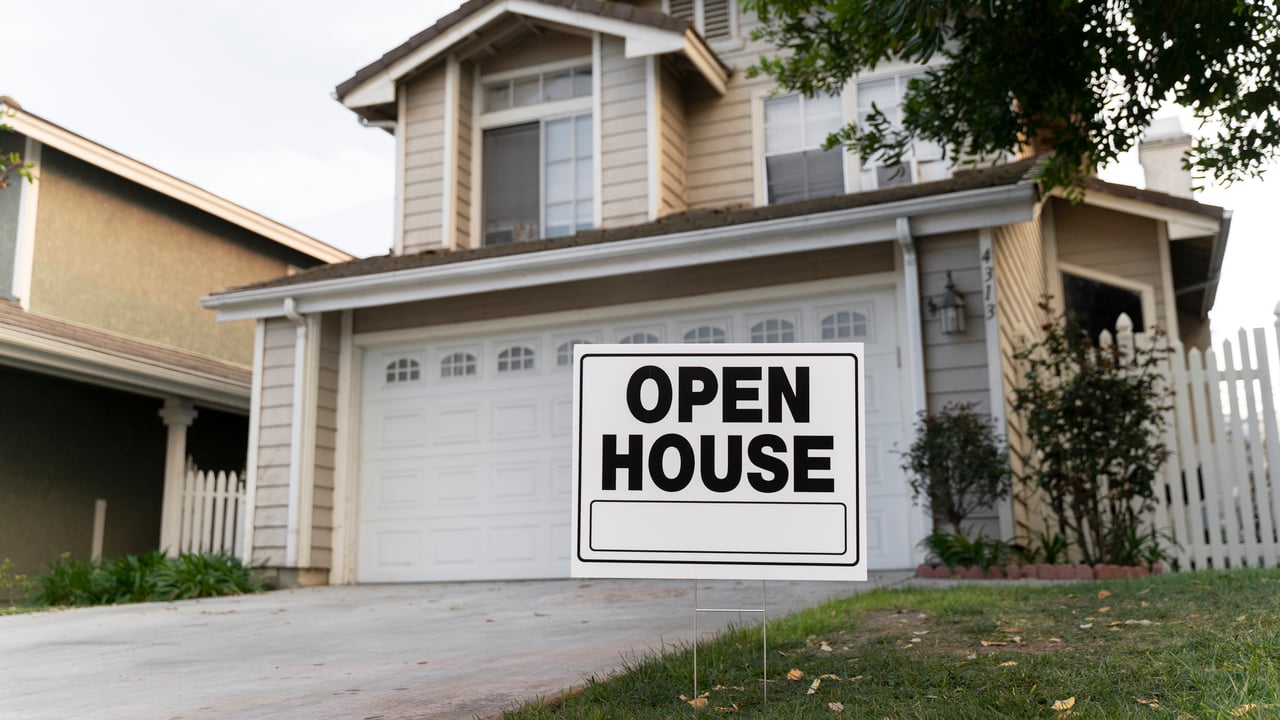
That's genuinely the biggest favor a local agent can do for you before you ever put a sign in the yard: sit down, look at your specific home, your specific loan, your specific neighborhood, and tell you the real number. Not the sale price. The number you'll actually see hit your account.
If you're thinking about selling sometime this year, don't let the first time you see the full cost breakdown be two weeks before closing. Get ahead of it now.
Check Out
👉 See Homes for Sale in Indianapolis
👉 Get Your Free Home Valuation
👉 Talk to Craig at 317-445-0351