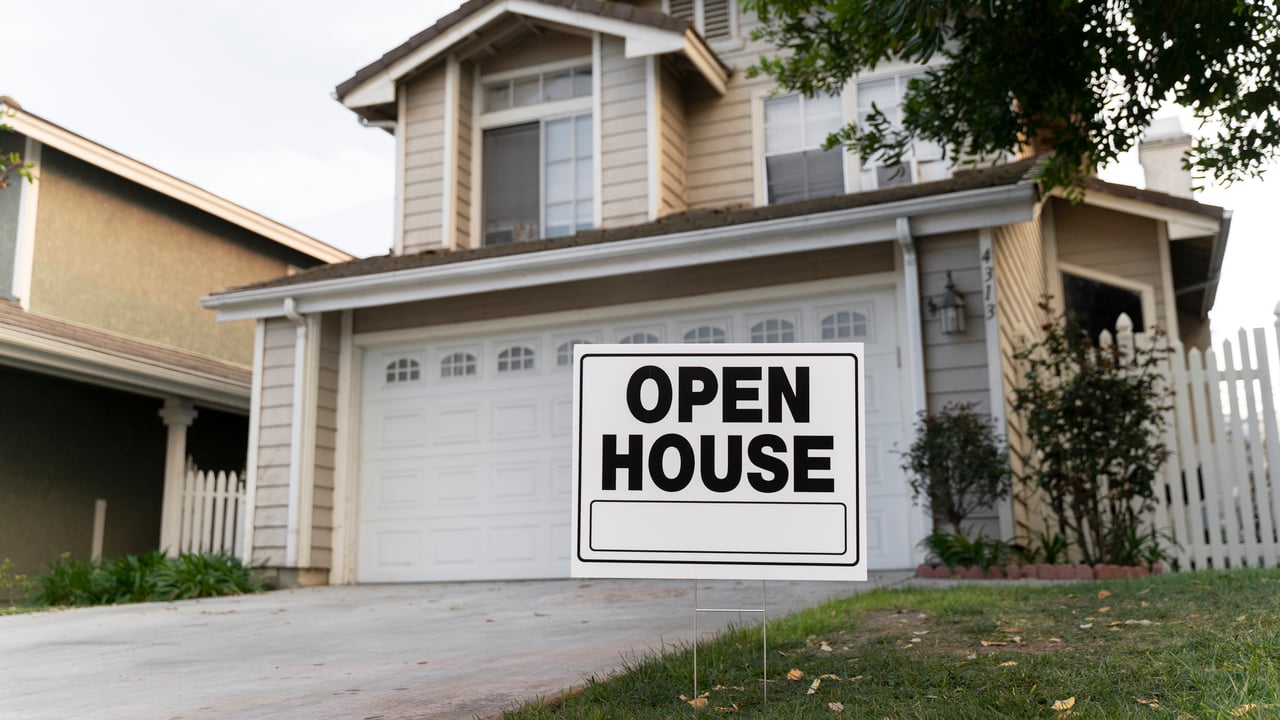
There’s a certain kind of quiet that settles into a house the week it goes on the market.
Fresh mulch out front. Windows cracked just enough to let in spring air. The faint smell of paint that hasn’t fully cured yet.
Or maybe it’s the other side — you’re the buyer. Shoes off at the door. Walking through someone else’s living room while the fridge hums and the dog next door barks like it always does. Trying to picture your couch against that wall.
Buying or selling a home in Indianapolis in 2026 isn’t chaotic. It’s not sleepy either.
It’s steady. Thoughtful. And if you play it right, it can actually feel… calm.
Let’s walk through it like we would if you were sitting across from us at a coffee shop on Mass Ave.
What the 2026 Market Feels Like
This isn’t the frenzy of 2021.
It’s not the rate-panic of 2023 either.
We’re in a more grounded place now. Median home prices across the metro are hovering around the low-to-mid $300s, depending on neighborhood. Homes are taking about three to four weeks to sell on average. Interest rates have softened slightly from their peak, enough that buyers are stepping back in without feeling rushed.
It feels balanced.
That’s good news whether you’re buying or selling — but the strategy looks different depending on which side of the table you’re on.
If You’re Buying a Home in Indianapolis in 2026
Step 1: Get Your Numbers Straight
Before you fall in love with the hardwood floors or the backyard fire pit, sit down and figure out what’s comfortable. Not what the bank says you can afford. What you can afford.
Your lender will hand you a pre-approval letter with a number that might make your eyebrows lift. But you’re the one paying the mortgage when the AC kicks on in July and the utility bill spikes.
In Indy, you can still find:
-
Solid starter homes in the $275K–$325K range in places like Greenwood or parts of Lawrence.
-
Move-up homes in Fishers or Avon between $375K–$450K.
-
Downtown condos around $300K–$400K depending on the building and view.
Know your ceiling. Then stay a little under it if you can. Breathing room matters.
👉 Browse Current Homes for Sale
Step 2: Choose the Right Area (Not Just the Right House)
A house is walls and windows. A neighborhood is your daily life.
Drive it at 8 a.m.
Drive it at 9 p.m.
Sit in your car for five minutes and listen.
Do you hear traffic? Kids playing basketball? Nothing but wind in the trees?
Indianapolis has pockets that feel completely different from one another. Carmel feels polished and structured. Broad Ripple hums with energy. Greenwood slows things down. Downtown keeps things moving.
The right house in the wrong neighborhood will never feel quite right.
Step 3: Tour Smart
In 2026, you don’t have to sprint to every new listing. That pressure’s gone. But you do need to move when something checks your boxes.
When you tour, don’t just look at countertops.
Open closets.
Look at the age of the furnace.
Notice how the floor feels under your feet.
One buyer we worked with last month stood in a kitchen for a long time. Finally he said, “It’s quiet.” That’s what sold him. Not the granite. The quiet.
Pay attention to that stuff.
👉 Explore our Best Areas to Live in Indianapolis 2026
Step 4: Make a Strong, Clean Offer
The days of throwing $30,000 over asking just to compete are mostly behind us. But that doesn’t mean lowballing works either.
A smart offer in this market is realistic and clean.
Fewer unnecessary contingencies.
Reasonable inspection requests.
Homes that are priced right still attract attention. If it’s a good one, assume someone else sees it too.
👉 Read more: Is Indianapolis Expensive to Live? Full Cost of Living 2026
Step 5: Inspections and Negotiation
This part makes people nervous.
You’ll get a report back that feels like a novel — loose outlets, minor roof wear, a mysterious drip under the sink.
Don’t panic. Every house has a list. Even new builds.
Focus on what matters: structure, roof, HVAC, plumbing, electrical. The cosmetic stuff can wait.
And remember — this is where having someone local helps. We know which issues are common in older Indy homes and which ones are actual red flags.
If You’re Selling a Home in Indianapolis in 2026
Selling takes a different kind of emotional energy.
You’re not just listing square footage. You’re packing up memories. The pencil marks on the pantry wall where you tracked your kid’s height. The dent in the garage drywall from when you misjudged backing out.
It’s personal. Even when it’s practical.
Step 1: Price It Honestly
This is the biggest mistake sellers make right now.
You can’t “test” the market anymore. Buyers have options. If your home is overpriced, it’ll sit. And the longer it sits, the more buyers wonder what’s wrong with it.
The homes selling in 2026 are priced within 2–3% of true market value. Not hopeful. Not nostalgic. Real.
If you want top dollar, you have to start in the right place.
Step 2: Condition Is Everything
Buyers are pickier now — and that’s not a bad thing.
Fresh paint.
Working light fixtures.
Clean grout.
Those details matter more than ever.
We’ve seen homes jump tens of thousands in final sale price because a seller spent a few weekends tightening things up. And we’ve seen beautiful homes lose momentum because they didn’t bother fixing obvious wear and tear.
Presentation sends a message: this house has been cared for.
Step 3: The First Weekend Matters
Most serious buyers will see your home within the first week.
That first Saturday showing? That’s when momentum builds.
Lights on. Curtains open. Air fresh but not overpowering. You want it to feel welcoming — not staged to the point of sterility, but clean and bright.
The goal is simple: help someone picture their life there.
The Emotional Side Nobody Talks About
Here’s the truth about buying or selling in Indianapolis in 2026: it’s not just a transaction.
It’s a turning point.
Buying means committing — to a neighborhood, a payment, a future version of yourself.
Selling means letting go — of a chapter that shaped you.
And because our market is steady right now, you actually have space to think. Space to make decisions without frenzy breathing down your neck.
That’s rare.
Indianapolis isn’t flashy. It’s not trying to be Miami or Austin. It’s a city that grows slowly, reliably, and with a certain humility. That steadiness shows up in the housing market too.
You can make smart moves here without feeling like you’re gambling.
So… Is 2026 a Good Time to Buy or Sell?
If your life is changing — yes.
If you’re relocating for work, growing your family, downsizing, or just ready for something different — this market supports thoughtful moves.
If you’re trying to perfectly time rates or squeeze every last dollar out of appreciation? You’ll drive yourself crazy.
Real estate works best here when it matches your life timeline, not the headlines.
👉 Schedule a Call with Our Team
What Happens Next
Whether you’re buying your first home or selling the one you’ve had for twenty years, the steps are clear.
Get prepared.
Be realistic.
Move when it makes sense.
And work with people who actually know the streets you’re walking.
We’ve stood in hundreds of Indianapolis kitchens. We’ve watched buyers tear up at closing tables. We’ve handed keys to sellers who weren’t sure they were ready — but were.
If you’re thinking about making a move in 2026, let’s talk it through. No pressure. Just real guidance based on what’s actually happening out there.
Because in this market, steady wins. And steady is something Indianapolis does really well.
👉 See Homes for Sale in Indianapolis
👉 Get Your Free Home Valuation
👉 Talk to Craig at 317-445-0351