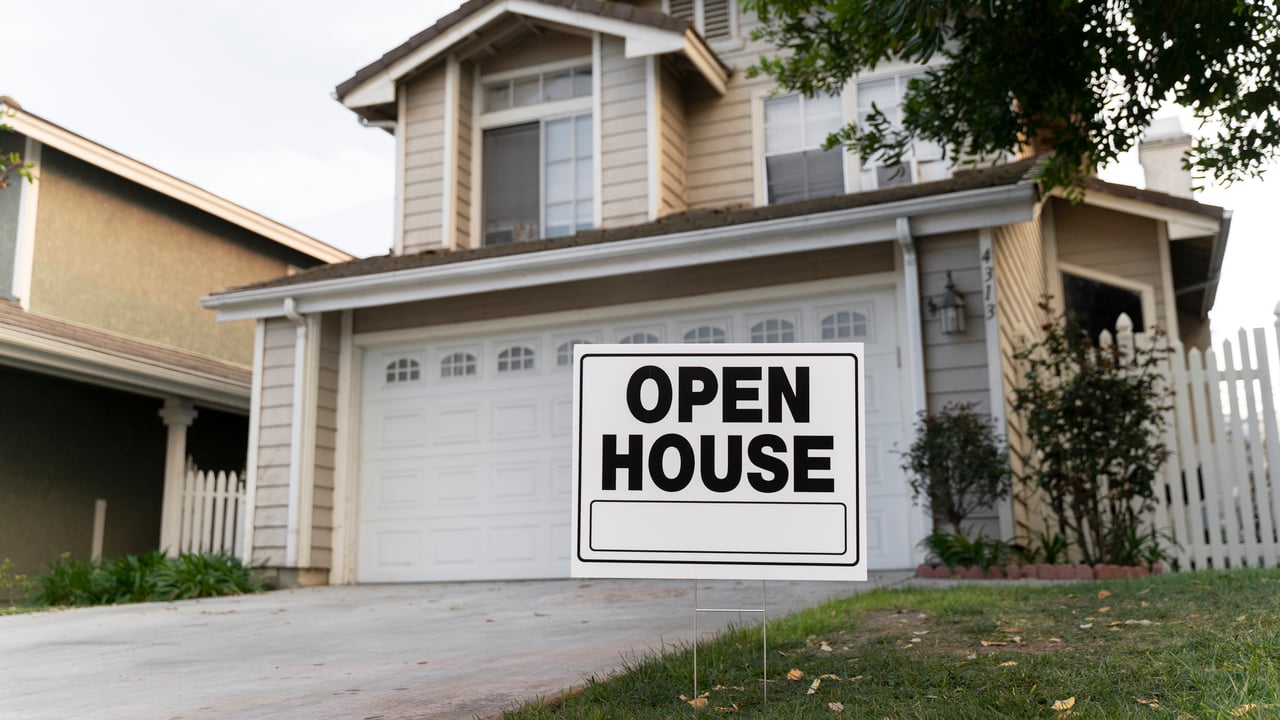
I still think about the house on the east side that sat for 71 days.
Nice bones. Updated kitchen. A backyard that backed up to a little stand of trees so you couldn't see another house from the deck. On paper, it should have moved in two weeks.
Instead it sat through an entire July, and by the time I walked through it with the sellers for the third price-reduction conversation, everyone in that living room was sweating — partly because the AC was set to 78 to save money on an empty house, and partly because nobody wanted to say the obvious thing out loud.
The house looked like three different families had lived there and none of them had left.
There was a treadmill in the dining room. A gun safe the size of a refrigerator in the corner of what was supposed to be a home office. Family photos lining the stairwell, going back probably twenty years, so that every buyer who walked through wasn't picturing their own life there — they were walking through someone else's.
You could feel it. Buyers would come in, do the polite loop, and leave without ever really looking at the house. They were looking at the stuff.
That's the thing about staging nobody wants to hear: it's not about making a house pretty. It's about getting out of the buyer's way.
The walkthrough test
Here's what Craig does now before he lists anything, and it sounds almost too simple. He stands in the doorway of every room and asks one question: if I had never met these people, what would I assume about them from this room alone? If the answer is "they have three dogs, a woodworking hobby, and strong opinions about college football," that room has a problem. Not because dogs or woodworking are bad.
Because the buyer standing in that doorway is trying to picture their own life in that space, and every personal object is a little roadblock in that mental exercise.
It's not about becoming a show house with white orchids and a bowl of decorative lemons. Nobody's asking for that, and honestly those staged-to-death homes can feel just as cold and unconvincing as a cluttered one. It's about giving the buyer's imagination somewhere to land.
What actually moves the needle
Clear the entryway first.
This is the one people skip because it doesn't feel like the "real" part of the house, but it's the first ten seconds, and the first ten seconds decide the tone for everything after. Shoes by the door, coat rack, the mail pile on the console table — all of it needs to disappear before showings, every single time. A buyer forms an opinion before they've even said hello to the listing agent.
Deal with the smell before anything else.
This one sounds almost silly to put in writing, but Craig will tell you it's cost sellers real money more than once. You can't smell your own house. You live in it. The dog smell, the smoke smell, the "someone cooked fish Tuesday and it's still hanging around" smell — you've gone nose-blind to all of it, and the buyer walking in cold notices in the first thirty seconds. Open the windows for an hour before every showing if you can. Skip the heavy plug-in air fresheners; they read as covering something up, which makes buyers suspicious rather than comfortable.
Get the furniture off the walls.
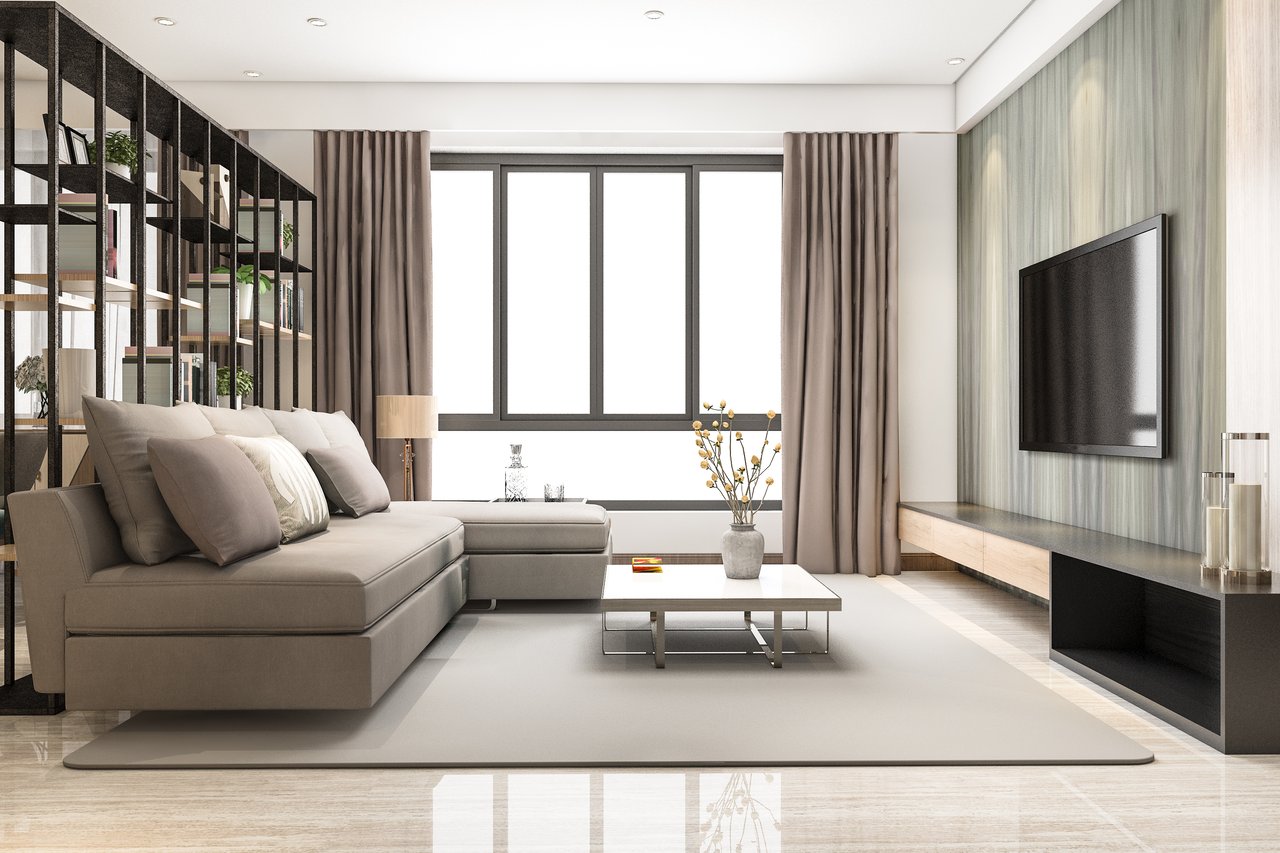
People push couches and beds flush against the wall because it feels tidy, but it actually makes rooms look smaller, not bigger. Pulling a couch even eight inches out and angling it slightly opens up the whole room and makes it feel like there's a place to walk, a place to sit, a place to live — instead of a room you're just passing through.
Cut the furniture count, not the furniture size.
This trips people up. They think smaller furniture makes a small room look bigger, so they swap in some tiny loveseat, and it ends up making the room look like a dollhouse instead. What actually works is fewer pieces. A room with one couch, one chair, and one coffee table reads as spacious. The same room with six pieces crammed in reads as cramped, no matter how small each piece is.
Depersonalize, but don't sterilize.
Take down the family photo wall, sure. But leave a few books on the shelf, a throw blanket over the arm of the chair, something that says a person lives here and takes care of this place. A house that's been stripped down to nothing can feel almost as unsettling as one that's overstuffed — like walking into a model unit nobody's ever actually lived in.
Light every room like it's for sale, because it is.
Turn on every lamp before a showing, even in the middle of the day. Open every blind. Replace any bulb that's dimmer or a different color temperature than the others — a room lit by three different shades of white light looks patchy and unfinished in photos, even if it feels fine in person.
The garage and basement count too.
Buyers open every door. If the garage is stacked floor to ceiling with bins nobody's touched since the last move, that's not a storage solution to the buyer walking through — that's evidence the house doesn't have enough storage. Rent a small storage unit for a month if you have to. It's the cheapest staging tool that exists and almost nobody uses it.
Back to that house on the east side
Once the sellers cleared out the treadmill, boxed up the photos, moved the gun safe to storage, and let a stager bring in a few simple pieces to fill the empty spots — a rug here, a chair there — the house went under contract in twelve days. Same house. Same kitchen. Same backyard with the trees. Nothing structural changed. What changed was that buyers could finally see themselves in it instead of seeing someone else's life.
That's really the whole point of staging. It's not deception and it's not about spending a fortune on new furniture. It's about clearing enough space, physically and visually, that a stranger standing in your living room can start imagining their own Sunday mornings there instead of wondering whose treadmill that is.
If you're getting ready to list and you're not sure where your house stands, that's exactly the kind of thing worth a second set of eyes before the sign goes in the yard.
Check Out
👉 See Homes for Sale in Indianapolis
👉 Get Your Free Home Valuation
👉 Talk to Craig at 317-445-0351